
Kamuzu Academy
BritishInternational
Fee not published
Confirmed on its own website
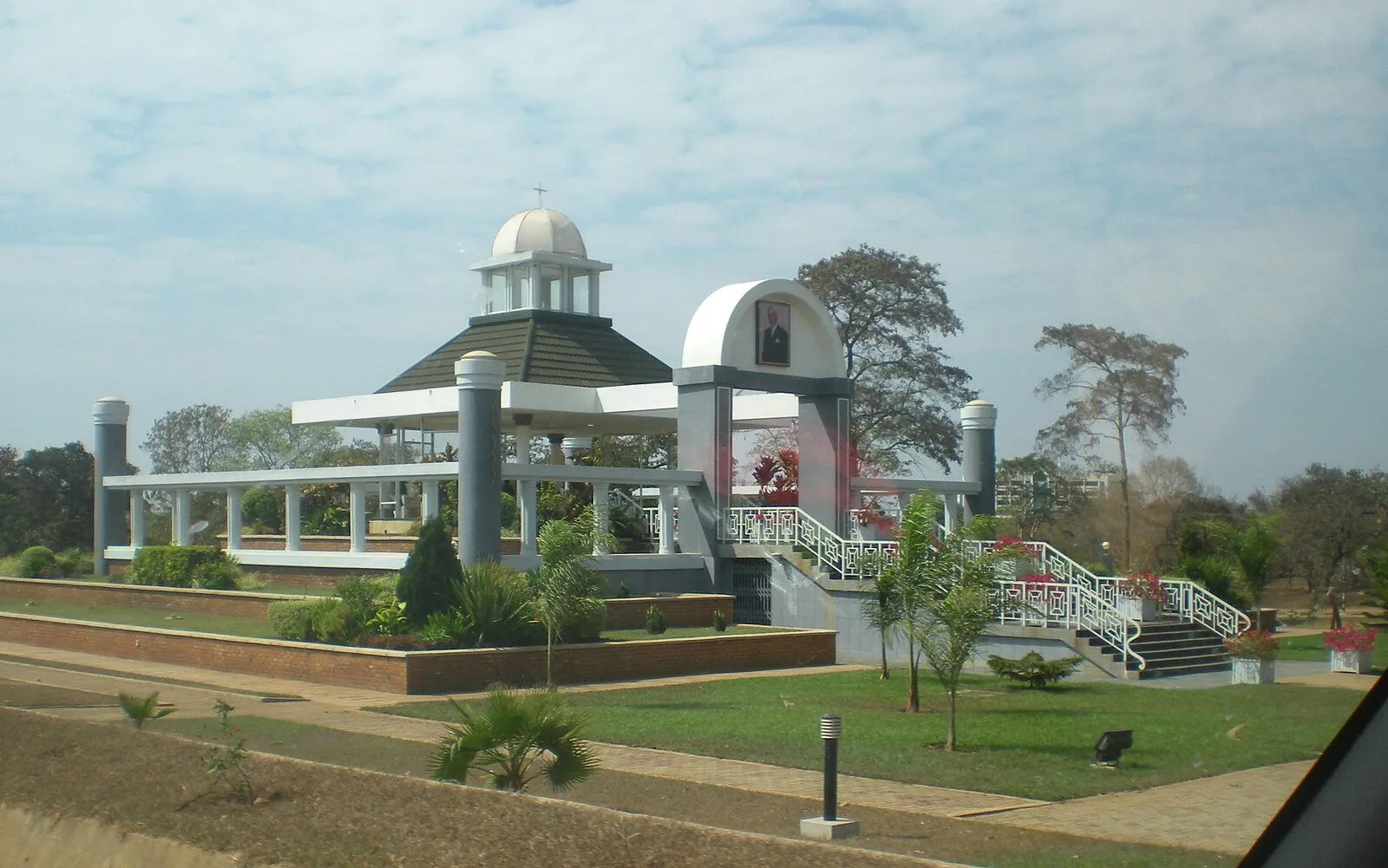
Image credit: Malawiana
Based on GDP per capita (PPP). Malawi: $1,623/capita.
Income Category
GDP per Capita
City Population
International and private school tuition + curriculum mix for relocating families.
1 confirmed school
2 more suggested by AI, not verified
Confirmed on its own website
Schools' websites are found with Wikidata and OpenStreetMap (© OpenStreetMap contributors), and each is checked on the school's own site.
Nanny, housekeeper, and driver pricing is not yet sourced for Lilongwe. We publish this section only when we can tie it to local job-board, agency, or country fallback evidence.
The concrete mobility picture for Lilongwe: airport access, urban transit, and rideshare practicality.
Walkability score: 41/100 (car leaning). This is derived from the verified mobility profile and is used by the walkability gate.
Walkability
41/100
mobility profile bus only
Airport
Lilongwe international airport access
The refreshed local city data-type matrix lists Lilongwe as a missing Malawi mobility/walkability row; add conservative first-city coverage through lilongwe international airport access instead of leaving the country at zero direct family mobility coverage.
Urban transit
Road-led mobility with central errand access
Daily movement remains road-led, but buses, minibuses, taxis, and central errands provide a conservative non-car baseline until richer city-specific sources land.
Rideshare
Taxi-first mobility
Taxis or arranged rides are the dependable fallback for airport transfers and neighborhoods beyond fixed-route service.
Source: User-curated family relocation research (initial seed) (2026-04-14)
System strength, outcome signals, facility coverage, and self-pay visibility in Malawi.
Method: country metrics come from public system indicators, facility coverage reflects mapped providers we can inventory, direct pricing only reflects observed self-pay pages, and relative care cost can fall back to broad cost-of-living healthcare indices. Sparse pricing does not imply sparse healthcare availability.
Low out-of-pocket burden help, but coverage looks thinner and doctor staffing is lighter.
Relatively low patient cost-sharing and a visible public hospital footprint help, but public coverage looks thinner and public funding looks lighter.
The private footprint is not very visible yet and self-pay pricing transparency is still sparse weigh on this rating.
UHC coverage
52/100
2023
Physicians
0.05/1k
2022
Hospital beds
1.30/1k
2011
Out of pocket
12%
2023
Life expectancy
67.6 yrs
2024
Maternal mortality
225/100k
2023
Neonatal mortality
23.6/1k
2024
The private footprint is still thin, price transparency is still sparse, and headline outcomes are less reassuring weigh on this rating.
Published self-pay prices are scarce weigh on this rating.
No verified self-pay prices are published for the tracked facilities in Malawi yet.
This usually reflects low online price transparency rather than a lack of healthcare providers.
System metrics: World Bank WDI · Updated 2026-11-01
Source: Numbeo where a city row is matched; otherwise World Bank WGI and country-level safety context.
World Bank WGI scale: -2.5 to +2.5.
| Sector | Median |
|---|---|
| Agriculture & Farming | — |
| Manufacturing | — |
2013 annual wages in Lilongwe, Malawi · Source: ILO ILOSTAT (sector aggregate) (national)
Short-stay entry
US passport holders can stay up to 30 days without a visa.
Structured from the deltas already shown on this page — no invented facts, no extra data sources.
Your money goes about 2.8x further in Lilongwe than in the US, based on the current PPP estimate.
Lilongwe is the capital of Malawi and home to about 1.12 million people on the central Shire highlands plateau at roughly 1,050 meters elevation. It replaced Zomba as capital in 1975 under Hastings Banda and is a planned, low-density city of separate Old Town and Capital Hill administrative cores. The local economy combines government, tobacco trading, and a sparse formal-sector base in one of the world's poorest countries by GDP per capita. Climate is subtropical highland with a wet season from November to April and mild winters. Relocators should weigh that Malawi is a structurally low-income context: foreign presence is overwhelmingly NGO, mission, and diplomatic, Chichewa plus English are both useful, healthcare beyond Adventist Health is thin, and any tertiary care often routes to Johannesburg.
No password needed. Takes ~30 seconds.