
Leaving India?
Most-accessible visa pathways for Indian passport holders, established Indian-diaspora communities, and cost-of-living realities of major destinations.
4
destinations
2
countries
2
regions
51
avg cost index
Indian-passport visa landscape
Indian passports face significantly more visa friction than Western passports — most relocation requires going through structured immigration programs (skilled-migration, study-then-stay, family-sponsored, or investment) rather than the casual visa-runs Western passports enjoy. The good news: India's diaspora is one of the world's largest (~32M+ persons of Indian origin globally per Ministry of External Affairs), so established community infrastructure exists in almost every major destination.
Most-trafficked Indian-emigration destinations: US (~4.5M+ persons of Indian origin — H-1B/L-1/F-1 visa pathways), UAE (~3.5M+ Indians, primarily on employment visas + the Golden Visa for high-income/specialized-talent), Saudi Arabia (~2M+, primarily employment), UK (~1.5M+ persons of Indian origin — Skilled Worker + Student + Family routes), Canada (~1.4M+ — Express Entry + Provincial Nominee Programs are the dominant pathways), Australia (~700K — Skilled Migration), Singapore + Malaysia + Hong Kong (regional employment).
Best countries for Indians to immigrate to in 2026?
The best countries for Indians to immigrate to in 2026 are Canada (currently the most-trafficked + most-accessible structured-immigration destination — Express Entry awards points for education + work experience + language + age, Indian engineers + healthcare professionals routinely qualify, and Provincial Nominee Programs add additional pathways), Australia (Skilled Migration similarly accessible for engineers, healthcare workers, and accountants), the UK (Skilled Worker Visa, post-Brexit replacement for Tier 2 — requires a sponsoring employer and a £38,700+ salary), and the UAE (fast — most expats arrive on employer-sponsored employment visas in weeks). The US is the largest destination by volume but has structural backlogs (H-1B lottery + EB-2/EB-3 country-cap waits of decades for India-born applicants).
How do I get Canadian PR from India?
Express Entry is the dominant pathway. Three programs feed the Express Entry pool: Federal Skilled Worker Program, Federal Skilled Trades Program, and Canadian Experience Class. The Comprehensive Ranking System (CRS) scores applicants on age, education, language (IELTS/CELPIP), work experience, and adaptability. Typical winning scores for Indians: 470+ for general FSW; lower for specialized occupations + Provincial Nominee Programs (PNPs from Ontario, BC, Alberta, Saskatchewan add 600 bonus points). Median processing time: ~6 months from invitation-to-apply to permanent residency. Always work with a registered Canadian Immigration Consultant (RCIC) or Canadian-licensed immigration lawyer.
How do I get a US H-1B visa from India?
H-1B is a specialty-occupation visa for jobs requiring at least a US Bachelor's degree (or equivalent). Three steps: (1) US employer files Labor Condition Application (LCA) with US DOL; (2) Employer files I-129 H-1B petition with USCIS; (3) Selection via annual lottery (currently 65K standard cap + 20K US-Master's cap; selection rate has been ~25-30% in recent years). Approved H-1B is valid for 3 years, extendable once for 6 total. India-born applicants face country-cap backlogs for adjustment-of-status to permanent residency (EB-2/EB-3 wait times measured in decades — verify current Visa Bulletin). H-1B is currently the dominant employer-sponsored pathway for Indian tech workers despite the friction.
Where do Indians live abroad?
Indians live abroad in the largest numbers in the US (~4.5M), UAE (~3.5M), Saudi Arabia (~2.5M), Malaysia (~3M including Malaysian Indians), Myanmar (~2M), UK (~1.8M), Sri Lanka (~1.6M), South Africa (~1.5M), Canada (~1.4M), Mauritius (~890K), Trinidad + Tobago (~470K), Australia (~700K), Singapore (~650K), Kuwait (~1M Indian workers), and Qatar (~700K Indian workers) — per Ministry of External Affairs persons-of-Indian-origin estimates. Established diaspora communities give relocators access to professional networks, cultural infrastructure (temples, mosques, gurdwaras, churches), Indian-grocery + Indian-restaurant infrastructure, and bilingual professional services.
Top destinations
Ranked for Indian passport holders: places you can enter without arranging a visa first, then e-visa countries, then those that need a visa. Within each group, digital-nomad visas, internet and cost decide.
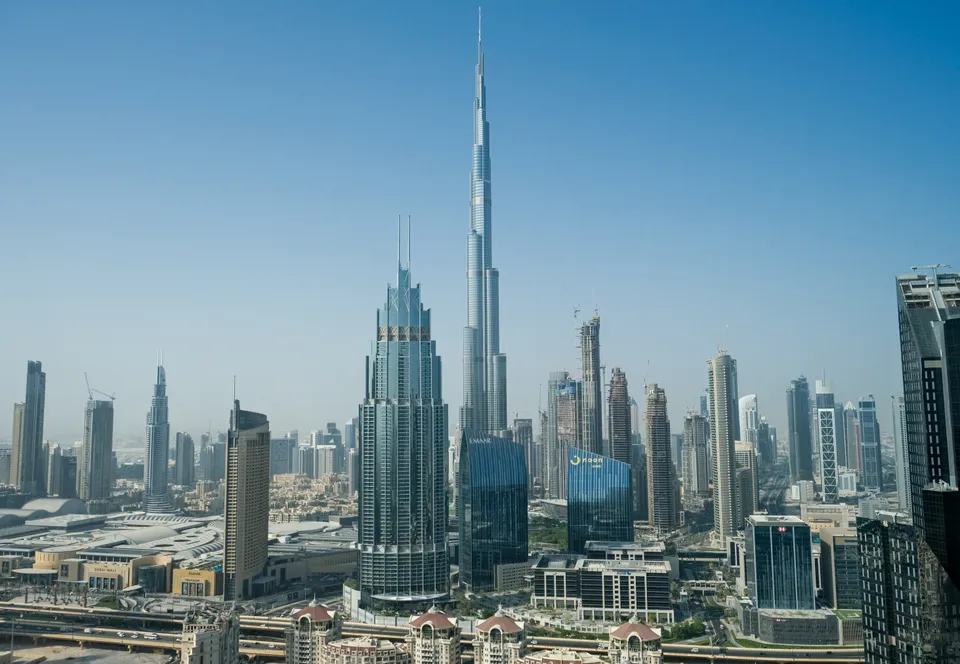 #1
Dubai
🇦🇪 United Arab Emirates · 3.8M
₹1,000 here buys what ₹283 buys in India.
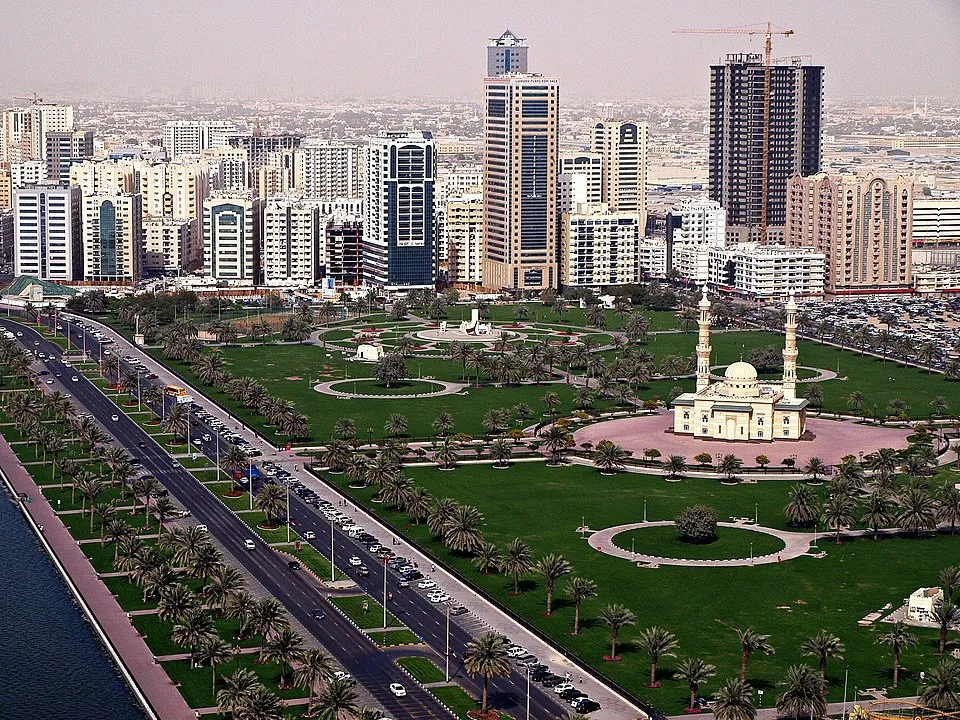 #2
Abu Dhabi
🇦🇪 United Arab Emirates · 1.8M
₹1,000 here buys what ₹340 buys in India.
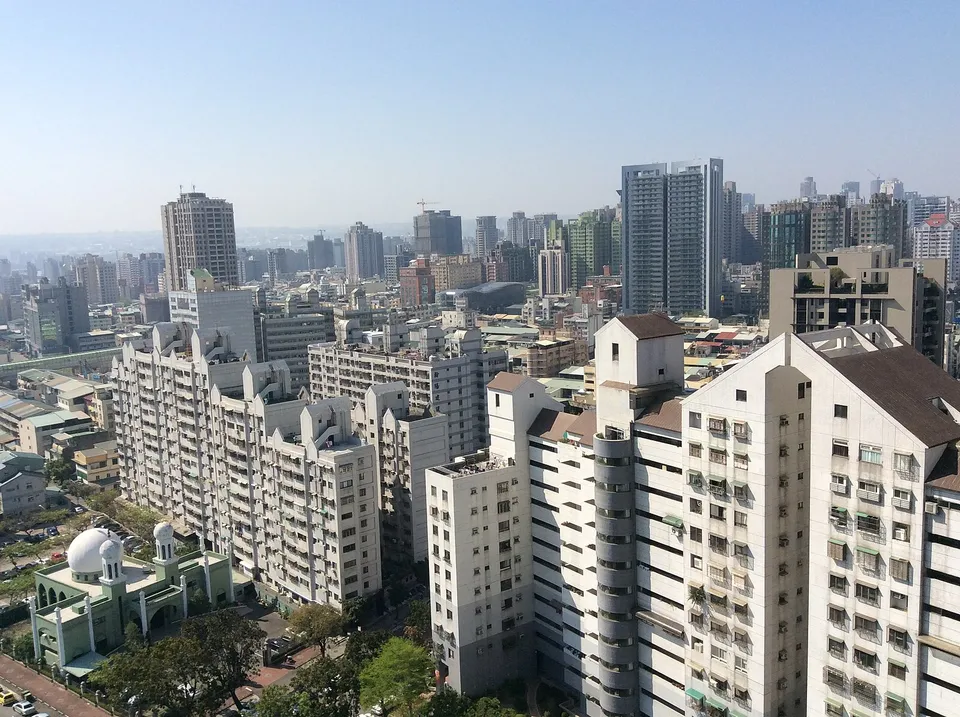 #3
Taichung
🇹🇼 Taiwan · 2.9M
₹1,000 here buys what ₹630 buys in India.
 #4
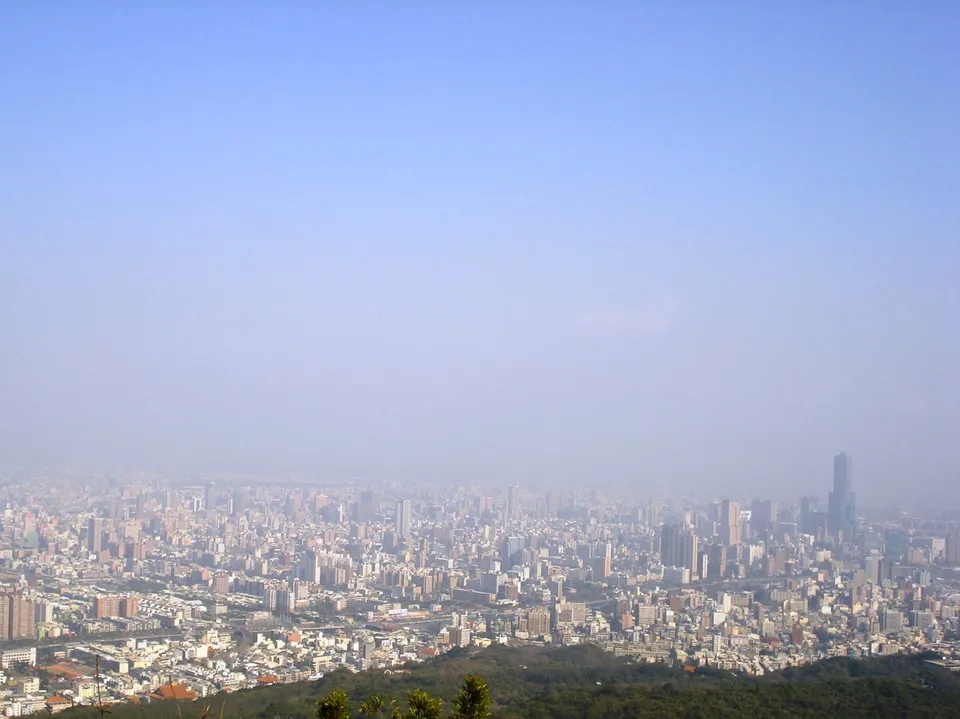
Kaohsiung
🇹🇼 Taiwan · 2.7M
₹1,000 here buys what ₹675 buys in India.
Ready to see your numbers?
Take the 60-second quiz — we'll personalize the rankings to your home city, income, and family. Or jump straight to the map.
Comments
Sign in to share your experience or ask a question.
Loading comments…