
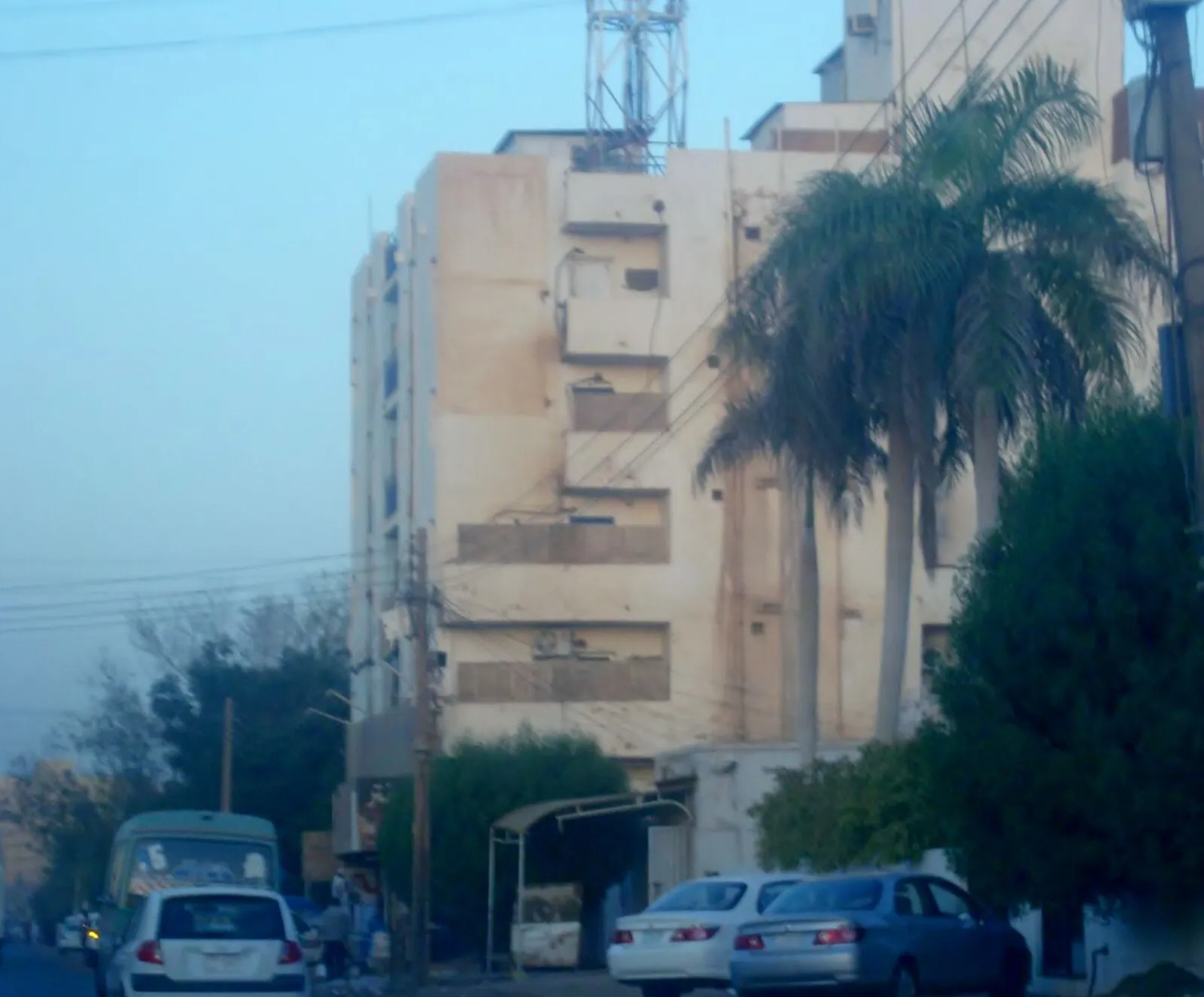
Cost of Living inKhartoum North, Sudan
Image credit: عاصم الرشيد التوم
Purchasing Power vs. United States
Based on GDP per capita (PPP). Sudan: $1,861/capita.
Income Category
GDP per Capita
City Population
Child Education
Public-school quality, expat access, instruction language, and homeschool legality for relocating families.
Public schools
Public-schooling rules are set nationally for Sudan; Khartoum North-specific enrollment notes are still being verified.
Quality
Limited public-school fit
Expat access
Usually not practical for expats
not practicalInstruction
Arabic
Language fit is more manageable.
PISA / outcomes
Qualitative only
Using curated quality notes for now.
Why this quality rating
Sudan's public-school system is not a compelling default for expat families, especially under current conflict conditions.
Why the expat-access rating looks like this
Even where enrollment is technically possible, Arabic-medium instruction and present-day instability make the public route usually impractical for expat families.
❓ Homeschooling
Not specifically regulatedSudan has compulsory education laws but no specific homeschooling framework. Enforcement is limited. The ongoing political instability makes this a non-priority destination for worldschooling families.
Homeschool legality in Sudan — check current regulations before committing.
Source: User-curated family relocation research (initial seed) (2026-04-14)
Childcare & Domestic Help
Current nanny and household-help pricing snapshot for Khartoum North, Sudan.
Full-time nanny (5 days)
$200-$300
monthly · confidence 0.65
Live-in / 24-7 nanny
$350-$500
monthly · confidence 0.65
Source: curated family relocation research
Getting Around
The concrete mobility picture for Khartoum North: airport access, urban transit, and rideshare practicality.
Airport
International airport
Khartoum remains Sudan’s main practical air gateway, even though current conflict conditions materially reduce route depth and day-to-day predictability.
Urban transit
Bus and taxi mix
Khartoum is still fundamentally road-led, and current conditions make everyday mobility much less structured and predictable than in stronger bus-first capitals.
Rideshare
Taxi-first, limited app coverage
Families should expect taxis and locally arranged rides to matter more than dependable app-hailed coverage.
Source: User-curated family relocation research (initial seed) (2026-04-14)
Healthcare
System strength, outcome signals, facility coverage, and self-pay visibility in Sudan.
Method: country metrics come from public system indicators, facility coverage reflects mapped providers we can inventory, direct pricing only reflects observed self-pay pages, and relative care cost can fall back to broad cost-of-living healthcare indices. Sparse pricing does not imply sparse healthcare availability.
Healthcare system
LimitedCoverage looks thinner, doctor staffing is lighter, and hospital capacity looks tighter weigh on this rating.
Public care
LimitedA visible public hospital footprint help, but public coverage looks thinner and public funding looks lighter.
Private care
MixedA large tracked hospital and clinic network help, but the private footprint is not very visible yet and self-pay pricing transparency is still sparse.
UHC coverage
48/100
2023
Physicians
0.25/1k
2017
Hospital beds
0.66/1k
2021
Out of pocket
57%
2023
Outcome signals
Life expectancy
66.5 yrs
2024
Maternal mortality
256/100k
2023
Neonatal mortality
23.7/1k
2024
International patient readiness
LimitedThere is visible specialty depth help, but the private footprint is still thin and price transparency is still sparse.
Pricing transparency
LimitedPublished self-pay prices are scarce weigh on this rating.
Facility coverage
Self-pay pricing visibility
No verified self-pay prices are published for the tracked facilities in Sudan yet.
This usually reflects low online price transparency rather than a lack of healthcare providers.
Notable facilities
System metrics: World Bank WDI · Updated 2026-09-01
Safety & Governance
Street Safety
Source: Numbeo where a city row is matched; otherwise World Bank WGI and country-level safety context.
Political Stability
World Bank WGI scale: -2.5 to +2.5.
Wages by Sector
| Sector | Median |
|---|---|
| Administrative & Support Services | — |
| Agriculture & Farming | — |
| Construction | — |
| Education | — |
| Finance & Insurance | — |
| Healthcare & Social Work | — |
| Hospitality & Food Service | — |
| Information & Technology | — |
| Manufacturing | — |
| Mining & Quarrying | — |
| Other Services | — |
| Professional & Scientific Services | — |
| Public Administration & Defence | — |
| Real Estate | — |
| Retail & Wholesale Trade | — |
| Transport & Logistics | — |
| Utilities | — |
2022 annual wages in Khartoum North, Sudan · Source: ILO ILOSTAT (national)
Price Comparison vs. US
Visa Information (US passport)
Short-stay entry
US passport holders need advance travel authorization or a visa before entry.
Quick comparison FAQ
Structured from the deltas already shown on this page — no invented facts, no extra data sources.
How far does your money go in Khartoum North compared with the US?
Your money goes about 3.0x further in Khartoum North than in the US, based on the current PPP estimate.
About Khartoum North
Khartoum North, known locally as Bahri, sits across the Blue Nile from central Khartoum and forms one of the three components of Sudan's tri-city metropolitan core alongside Khartoum and Omdurman. It is traditionally the most industrial of the three, with textiles, food processing, and engineering works concentrated along the river. Relocators should weigh Bahri against the broader Sudanese context: the war that erupted in April 2023 between the army and the Rapid Support Forces has caused mass displacement and severe damage in greater Khartoum, and most diplomatic and aid operations have withdrawn or relocated. The climate is hot desert with very hot summers. Arabic is essential.
See the full breakdown — free
No password needed. Takes ~30 seconds.