
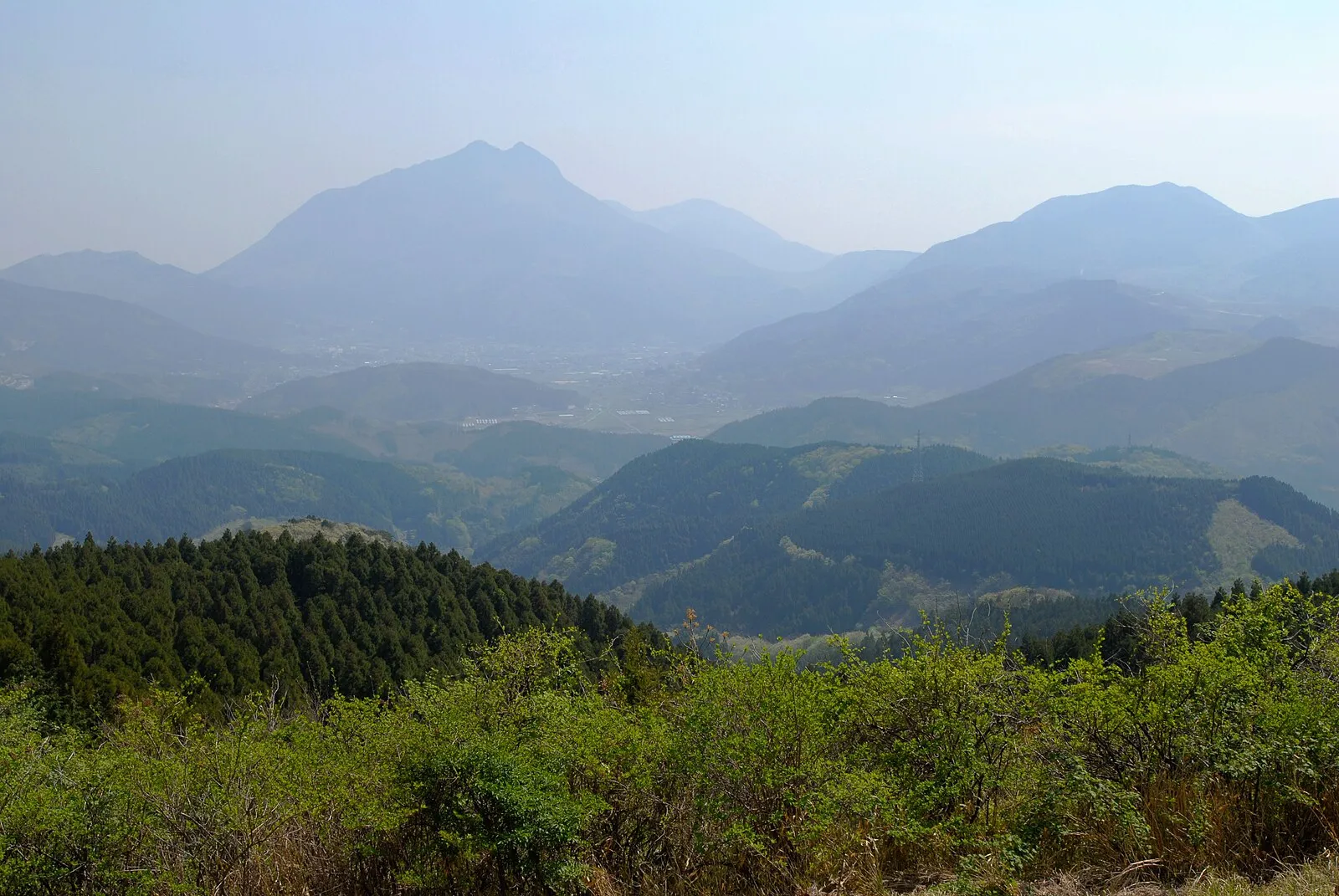
Cost of Living inŌita, Japan
Image credit: oimo
Purchasing Power vs. United States
Based on GDP per capita (PPP). Japan: $46,107/capita.
How Far Your Money Goes
Prices are 52% lower than the global benchmark (New York City = 100).
Using the country-level NYC comparison for now. We do not have a defensible city-level aggregate cost index for this city yet.
Income Category
Happiness
6.1 / 10
#50 globally
GDP per Capita
City Population
Child Education
Public-school quality, expat access, instruction language, and homeschool legality for relocating families.
Public schools
Public-schooling rules are set nationally for Japan; Ōita-specific enrollment notes are still being verified.
Quality
Excellent public schools
Expat access
Resident access, but a hard fit
hardInstruction
Japanese
Language fit is more manageable.
PISA / outcomes
Qualitative only
Using curated quality notes for now.
Why this quality rating
Japan’s public schools are orderly, reliable, and top-tier by OECD standards.
Why the expat-access rating looks like this
Foreign resident children can often enroll, but daily schooling is in Japanese and integration can be tough without strong language support.
❓ Homeschooling
Compulsory but flexibleJapan requires parents to ensure children attend school, but there is no punishment for non-attendance. "Futoko" (school refusal) is recognized and supported with alternative education centers. Homeschooling exists in a gray area but is increasingly accepted. No formal framework.
Homeschool legality in Japan — check current regulations before committing.
Source: User-curated family relocation research (initial seed) (2026-04-14)
Childcare & Domestic Help
Estimate-only country fallback for the family-support costs we track in Japan.
Full-time nanny (5 days)
$1,500-$2,600
Estimate-only country fallback
Live-in / 24-7 nanny
$2,900-$5,100
Estimate-only country fallback
Source: curated family relocation research(derived country fallback)
Getting Around
Neighborhood mobility profiles are rolling out city by city.Ōita is still missing a verified walkability, transit, airport, and rideshare profile.
Healthcare
System strength, outcome signals, facility coverage, and self-pay visibility in Japan.
Method: country metrics come from public system indicators, facility coverage reflects mapped providers we can inventory, direct pricing only reflects observed self-pay pages, and relative care cost can fall back to broad cost-of-living healthcare indices. Sparse pricing does not imply sparse healthcare availability.
Healthcare system
StrongHigh national coverage, deep nursing capacity, and solid hospital-bed capacity support this rating.
Public care
StrongBroad public coverage and strong public funding help, but the tracked facility mix leans away from public providers.
Private care
GoodA meaningful tracked hospital and clinic network and a clearly private facility base help, but self-pay pricing transparency is still sparse.
UHC coverage
86/100
2023
Physicians
2.65/1k
2022
Hospital beds
12.6/1k
2022
Out of pocket
12%
2023
Outcome signals
Life expectancy
84.0 yrs
2024
Maternal mortality
3/100k
2023
Neonatal mortality
0.9/1k
2024
International patient readiness
GoodA visible private hospital base and multiple facilities have websites help, but price transparency is still sparse.
Pricing transparency
LimitedMultiple facilities have crawlable websites help, but published self-pay prices are scarce.
Facility coverage
Self-pay pricing visibility
No verified self-pay prices are published for the tracked facilities in Japan yet.
This usually reflects low online price transparency rather than a lack of healthcare providers.
Notable facilities
System metrics: World Bank WDI · Updated 2026-09-01
Safety & Governance
Street Safety
Source: Numbeo where a city row is matched; otherwise World Bank WGI and country-level safety context.
Political Stability
World Bank WGI scale: -2.5 to +2.5.
Wages by Sector
| Sector | Median |
|---|---|
| Arts, Entertainment & Recreation | — |
| Construction | — |
| Education | — |
| Finance & Insurance | — |
| Healthcare & Social Work | — |
| Hospitality & Food Service | — |
| Information & Technology | — |
| Manufacturing | — |
| Mining & Quarrying | — |
| Other Services | — |
| Professional & Scientific Services | — |
| Real Estate | — |
| Retail & Wholesale Trade | — |
| Transport & Logistics | — |
2021 annual wages in Ōita, Japan · Source: MHLW (prefecture-adjusted)
Price Comparison vs. US
Visa Information (US passport)
Short-stay entry
US passport holders can stay up to 90 days without a visa.
Long-Term Visa Programs
digital nomad
Digital Nomad Visa
Migrated from legacy digital_nomad_visas row 36
working holiday
Working Holiday VisaQuick comparison FAQ
Structured from the deltas already shown on this page — no invented facts, no extra data sources.
How far does your money go in Ōita compared with the US?
Your money goes about 1.7x further in Ōita than in the US, based on the current PPP estimate. We are using the country-level cost index for Japan here because a defensible city-level aggregate index is not available yet.
Is Ōita cheaper or more expensive overall than New York City?
Ōita is cheaper overall than New York City — overall living costs are about 52% cheaper than the global benchmark (New York City) for Ōita. We are using the country-level cost index for Japan here because a defensible city-level aggregate index is not available yet.
How does rent in Ōita compare with New York City?
Rent in Ōita is about 86% cheaper than the global benchmark (New York City). We are using the country-level cost index for Japan here because a defensible city-level aggregate index is not available yet.
How expensive are groceries and restaurants in Ōita?
Groceries in Ōita are about 42% cheaper than the global benchmark (New York City), and restaurant prices are about 69% cheaper than the same benchmark. We are using the country-level cost index for Japan here because a defensible city-level aggregate index is not available yet.
About Ōita
Oita is the capital of Oita Prefecture on the eastern coast of Kyushu, Japan, sitting on Beppu Bay with the Inland Sea opening to the north. The local economy is built on heavy industry, particularly steel through the Nippon Steel works and petrochemicals along the coastal industrial belt, alongside a strong onsen-tourism hinterland centered on nearby Beppu and Yufuin. Relocators get Japan-grade infrastructure including the Nippoo and Hohi rail lines and Oita Airport, a humid subtropical climate that is milder than Honshu's main cities, and noticeably lower rents than Fukuoka or any Kansai metro. The trade-offs are a Japanese-language-dominant labor market, a smaller foreign professional community than Fukuoka or Hiroshima, and a more conservative regional culture.
See the full breakdown — free
No password needed. Takes ~30 seconds.
More cities in Japan
Cities with a similar cost of living
Comparable to Ōita — worth a look if you're weighing alternatives.