
Cost of Living inPinar del Río, Cuba
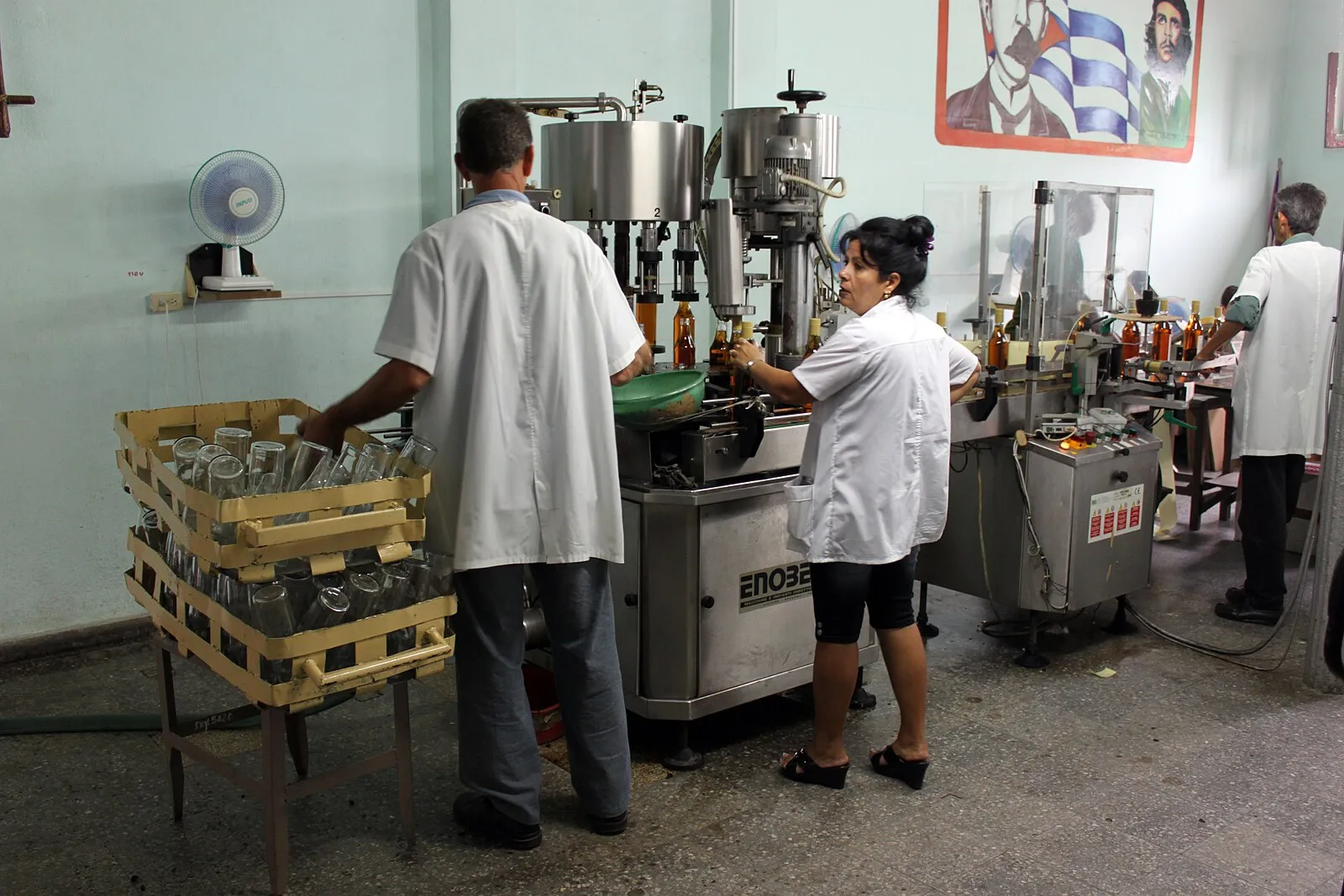
Image credit: Anagoria
Purchasing Power vs. United States
Based on GDP per capita (PPP). Cuba: $9,605/capita.
How Far Your Money Goes
Prices are 58% lower than the global benchmark (New York City = 100).
Using the country-level NYC comparison for now. We do not have a defensible city-level aggregate cost index for this city yet.
Income Category
GDP per Capita
City Population
Child Education
Public-school quality, expat access, instruction language, and homeschool legality for relocating families.
Public schools
This describes Cuba as a whole. Enrollment rules and school quality can vary within the country, so check with schools in Pinar del Río.
Quality
Mixed public-school option
Expat access
Possible, but highly localized
hardInstruction
Spanish
Local-language fluency usually matters.
PISA / outcomes
Qualitative only
Using curated quality notes for now.
Why this quality rating
Cuba has a universal public-school system, but it is not usually the default schooling path for internationally mobile expat families.
Why the expat-access rating looks like this
Resident enrollment may be possible, but Spanish-medium instruction and a strongly local system make the public route a hard fit for most expat families.
🚫 Homeschooling
Homeschooling not legalCuba requires compulsory school attendance in state schools. Homeschooling is not legally permitted. Education is a state function under the Cuban constitution. This is the single biggest barrier for families considering Cuba as a long-term base.
Homeschool legality in Cuba — check current regulations before committing.
Source: User-curated family relocation research (initial seed) (2026-04-14)
International & private schools
No schools in Pinar del Río are confirmed yet by their own websites. The nearest city with confirmed schools is Havana, 159 km away (1 school).
Childcare & Domestic Help
Estimate-only country fallback for the family-support costs we track in Cuba.
Full-time nanny (5 days)
$250-$400
Estimate-only country fallback
Live-in / 24-7 nanny
$450-$650
Estimate-only country fallback
Source: curated family relocation research(derived country fallback)
Getting Around
Neighborhood mobility profiles are rolling out city by city.Pinar del Río is still missing a verified walkability, transit, airport, and rideshare profile.
Healthcare
System strength, outcome signals, facility coverage, and self-pay visibility in Cuba.
Method: country metrics come from public system indicators, facility coverage reflects mapped providers we can inventory, direct pricing only reflects observed self-pay pages, and relative care cost can fall back to broad cost-of-living healthcare indices. Sparse pricing does not imply sparse healthcare availability.
Healthcare system
StrongHigh national coverage, strong doctor availability, and solid hospital-bed capacity support this rating.
Public care
StrongBroad public coverage, strong public funding, and relatively low patient cost-sharing support this rating.
Private care
LimitedThe tracked private-style network still looks thin, the private footprint is not very visible yet, and self-pay pricing transparency is still sparse weigh on this rating.
UHC coverage
86/100
2023
Physicians
9.54/1k
2021
Hospital beds
4.33/1k
2023
Out of pocket
17%
2023
Outcome signals
Life expectancy
78.3 yrs
2024
Maternal mortality
35/100k
2023
Neonatal mortality
4.3/1k
2024
International patient readiness
LimitedCountry-level outcomes are comparatively strong help, but the private footprint is still thin and price transparency is still sparse.
Pricing transparency
LimitedPublished self-pay prices are scarce and few facilities expose web pages we can verify weigh on this rating.
Facility coverage
Self-pay pricing visibility
No verified self-pay prices are published for the tracked facilities in Cuba yet.
This usually reflects low online price transparency rather than a lack of healthcare providers.
Notable facilities
System metrics: World Bank WDI · Updated 2026-11-01
Safety & Governance
Street Safety
Source: Numbeo where a city row is matched; otherwise World Bank WGI and country-level safety context.
Political Stability
World Bank WGI scale: -2.5 to +2.5.
Wages by Sector
| Sector | Median |
|---|---|
| Agriculture & Farming | — |
| Arts, Entertainment & Recreation | — |
| Construction | — |
| Education | — |
| Finance & Insurance | — |
| Healthcare & Social Work | — |
| Manufacturing | — |
| Mining & Quarrying | — |
| Other Services | — |
| Professional & Scientific Services | — |
| Public Administration & Defence | — |
| Retail & Wholesale Trade | — |
| Transport & Logistics | — |
| Utilities | — |
2010 annual wages in Pinar del Río, Cuba · Source: ILO ILOSTAT (national)
Price Comparison vs. US
Visa Information (US passport)
Short-stay entry
US passport holders need advance travel authorization or a visa before entry.
Quick comparison FAQ
Structured from the deltas already shown on this page — no invented facts, no extra data sources.
How far does your money go in Pinar del Río compared with the US?
Your money goes about 1.7x further in Pinar del Río than in the US, based on the current PPP estimate. We are using the country-level cost index for Cuba here because a defensible city-level aggregate index is not available yet.
Is Pinar del Río cheaper or more expensive overall than New York City?
Pinar del Río is cheaper overall than New York City — overall living costs are about 58% cheaper than the global benchmark (New York City) for Pinar del Río. We are using the country-level cost index for Cuba here because a defensible city-level aggregate index is not available yet.
How does rent in Pinar del Río compare with New York City?
Rent in Pinar del Río is about 89% cheaper than the global benchmark (New York City). We are using the country-level cost index for Cuba here because a defensible city-level aggregate index is not available yet.
How expensive are groceries and restaurants in Pinar del Río?
Groceries in Pinar del Río are about 57% cheaper than the global benchmark (New York City), and restaurant prices are about 75% cheaper than the same benchmark. We are using the country-level cost index for Cuba here because a defensible city-level aggregate index is not available yet.
About Pinar del Río
Pinar del Río is the capital of Pinar del Río Province at the western end of Cuba, the country's principal tobacco-growing region. The city anchors the Vuelta Abajo zone, source of the leaf used in Cuba's premium cigar brands, and the local economy combines tobacco trading and processing, public-sector employment as provincial capital, and education through the local university. The flat coastal plain rises to the limestone mogotes of the Sierra de los Órganos to the north, with Viñales a short distance away. Road access to Havana runs about 175 kilometers east via the Autopista. Like the rest of Cuba, residents contend with chronic shortages of fuel, electricity, and consumer goods, and currency conditions complicate daily transactions. The climate is tropical with a defined dry season from November to April. For tobacco specialists or staff working in western Cuba, the city is the regional base.
See the full breakdown — free
No password needed. Takes ~30 seconds.
More cities in Cuba
Cities with a similar cost of living
Comparable to Pinar del Río — worth a look if you're weighing alternatives.