
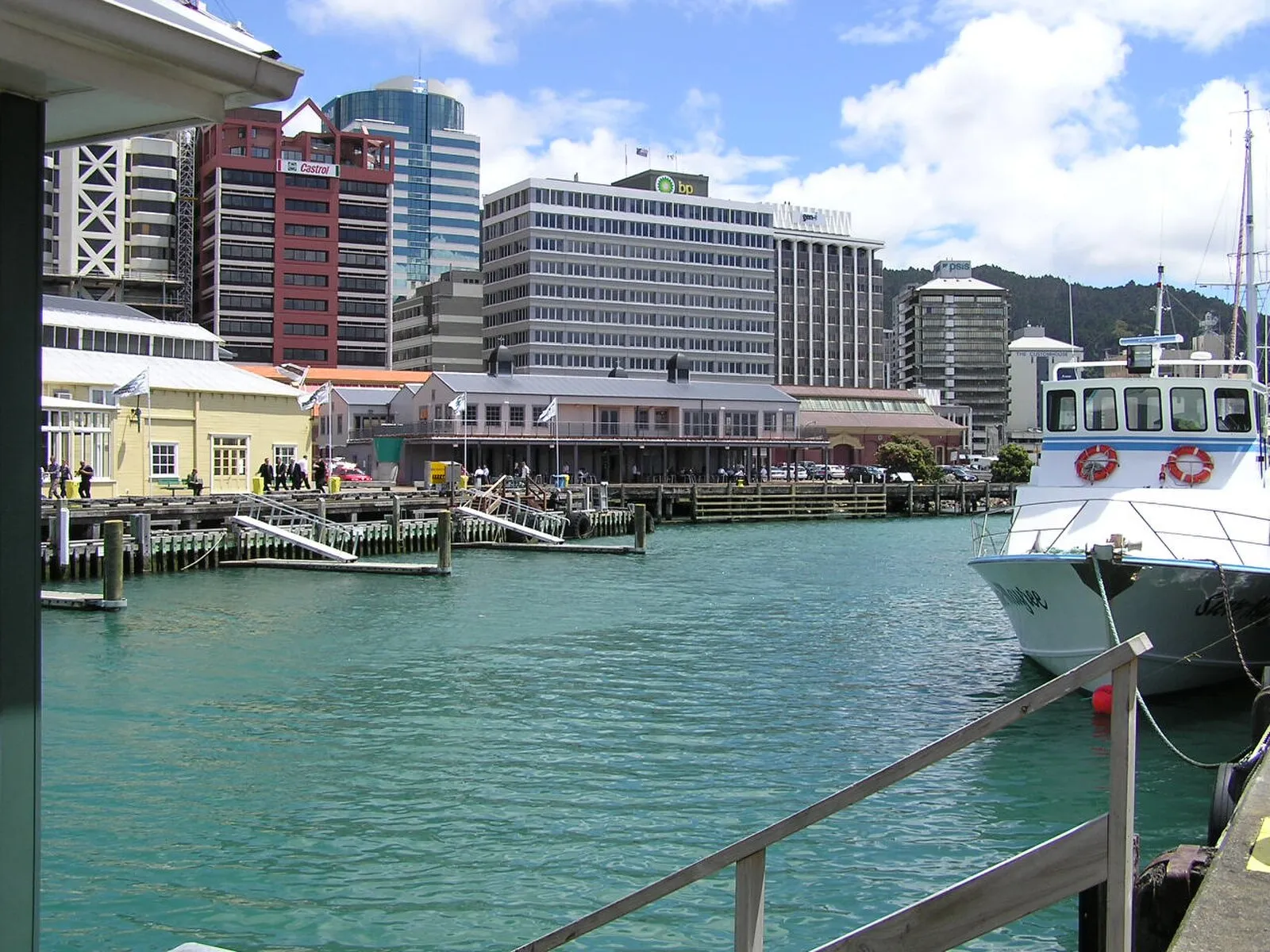
Cost of Living in New Zealand
Image credit: Frozen-Coke-Rocks at English Wikipedia
Purchasing Power vs. United States
Based on GDP per capita (PPP). New Zealand: $49,316/capita.
Cities in New Zealand
Income Category
Happiness
7.0 / 10
#11 globally
GDP per Capita
Population
How Far Your Money Goes
Prices are 40% lower than the global benchmark (New York City = 100).
Child Education
Public-school quality, expat access, instruction language, and homeschool legality for relocating families.
Public schools
How realistic the local public-school path is for a relocating family in New Zealand.
Quality
Good public schools
Assessment snapshot: 2022
Expat access
Open to resident families
openInstruction
English
Language fit is more manageable.
PISA / outcomes
494
Above OECD avg
PISA 2022 · OECD avg ~480
Why this quality rating
New Zealand has a well-regarded public system with relatively open enrollment. Outcomes are solid, though recent PISA trends show a modest decline from prior highs.
Why the expat-access rating looks like this
Resident families can usually enroll in local state schools without significant barriers. The system is English-medium and accessible for international families.
📋 Homeschooling
Legal with exemption certificateLegal under Section 21 of the Education and Training Act 2020. Parents must apply for a Certificate of Exemption from the Ministry of Education. Must demonstrate the child will be taught "at least as regularly and as well as" in a registered school.
Homeschool legality in New Zealand — check current regulations before committing.
Source: User-curated family relocation research (initial seed) (2026-04-14)
Childcare & Domestic Help
Current city samples for the family-support costs we track in New Zealand.
Full-time nanny (5 days)
$2,000-$2,800
1 tracked city, not a national average
Live-in / 24-7 nanny
$2,800-$3,800
1 tracked city, not a national average
Source: curated family relocation research
Healthcare
System strength, outcome signals, facility coverage, and self-pay visibility in New Zealand.
Method: country metrics come from public system indicators, facility coverage reflects mapped providers we can inventory, direct pricing only reflects observed self-pay pages, and relative care cost can fall back to broad cost-of-living healthcare indices. Sparse pricing does not imply sparse healthcare availability.
Healthcare system
StrongHigh national coverage, strong doctor availability, and deep nursing capacity support this rating.
Public care
StrongBroad public coverage, strong public funding, and relatively low patient cost-sharing support this rating.
Private care
MixedA large tracked hospital and clinic network help, but self-pay pricing transparency is still sparse.
UHC coverage
89/100
2023
Physicians
3.61/1k
2022
Hospital beds
2.51/1k
2023
Out of pocket
13%
2024
Outcome signals
Life expectancy
82.0 yrs
2024
Maternal mortality
7/100k
2023
Neonatal mortality
2.7/1k
2024
International patient readiness
MixedMultiple facilities have websites and there is visible specialty depth help, but price transparency is still sparse.
Pricing transparency
LimitedMultiple facilities have crawlable websites help, but published self-pay prices are scarce.
Facility coverage
Self-pay pricing visibility
No verified self-pay prices are published for the tracked facilities in New Zealand yet.
This usually reflects low online price transparency rather than a lack of healthcare providers.
Notable facilities
System metrics: World Bank WDI · Updated 2026-09-01
Safety & Governance
Street Safety
Source: Numbeo where a city row is matched; otherwise World Bank WGI and country-level safety context.
Political Stability
World Bank WGI scale: -2.5 to +2.5.
Wages by Sector
| Sector | Median |
|---|---|
| Administrative & Support Services | — |
| Agriculture & Farming | — |
| Arts, Entertainment & Recreation | — |
| Construction | — |
| Education | — |
| Finance & Insurance | — |
| Healthcare & Social Work | — |
| Hospitality & Food Service | — |
| Information & Technology | — |
| Manufacturing | — |
| Mining & Quarrying | — |
| Other Services | — |
| Professional & Scientific Services | — |
| Public Administration & Defence | — |
| Real Estate | — |
| Retail & Wholesale Trade | — |
| Transport & Logistics | — |
| Utilities | — |
2022 annual wages in New Zealand · Source: ILO ILOSTAT
Visa Information (US passport)
Short-stay entry
US passport holders need advance travel authorization or a visa before entry.
Long-Term Visa Programs
working holiday
Working Holiday VisaAbout New Zealand
New Zealand is a high-income, English-speaking country in East Asia & Pacific, with Wellington as its capital and a population of 5,287,500. For relocation, its appeal is practical rather than cheap: costs sit high for the region, so salaries, housing, and distance from other markets need serious checking before a move. The upside is a very safe and stable setting with excellent healthcare, fast reliable internet, and an outdoor lifestyle that is easier to use than in many dense urban countries. The temperate maritime climate keeps extremes limited, but it also makes weather a day-to-day factor rather than a backdrop. Skilled workers will find New Zealand relatively visa-friendly, yet the high living costs mean planning matters.
See the full breakdown — free
No password needed. Takes ~30 seconds.
Common questions about New Zealand
Sourced from SortaRich's public-data ranking engine — every figure links to its institutional source.
Is New Zealand a good country to live in?
New Zealand is an excellent country to live in per the World Happiness Report (7.0 of 10, ranking #11 globally). Whether it's right for you depends on your priorities — use SortaRich's free quiz to see how New Zealand ranks for your specific income, family, and visa profile.
Sources: World Happiness Report, SortaRich Methodology
How much does it cost to live in New Zealand?
The cost of living in New Zealand is about 40% cheaper than the global benchmark (New York City), with an overall cost-of-living index of 60. SortaRich personalizes these numbers to your home city's purchasing power so the comparison is real, not nominal.
Sources: SortaRich Cost of Living, World Bank ICP 2021
How far does $1 go in New Zealand?
$1 goes about 1.2x further in New Zealand than in the baseline market — your home-country income stretches that much more (current PPP ratio: 1.19). The figure adjusts every year as exchange rates and local prices shift. SortaRich uses World Bank ICP 2021 as the anchor and Penn World Tables 11.0 for cross-validation.
Sources: World Bank ICP 2021, Penn World Tables 11.0
What visa do I need to move to New Zealand?
To move to New Zealand you have these visa options: Tourist entry: eta. Visa rules change frequently — confirm the current terms with the official immigration authority before booking flights.
Source: SortaRich Visa Database
What are the best cities to live in New Zealand?
The best cities to live in New Zealand are Wellington, Auckland, Hamilton — those are the most-searched options among the 3 cities profiled in the SortaRich database. Each city page includes a personalized PPP comparison versus your home city plus subnational price data where available.
Source: SortaRich City Index